

Fresh Homes, Happy Tails

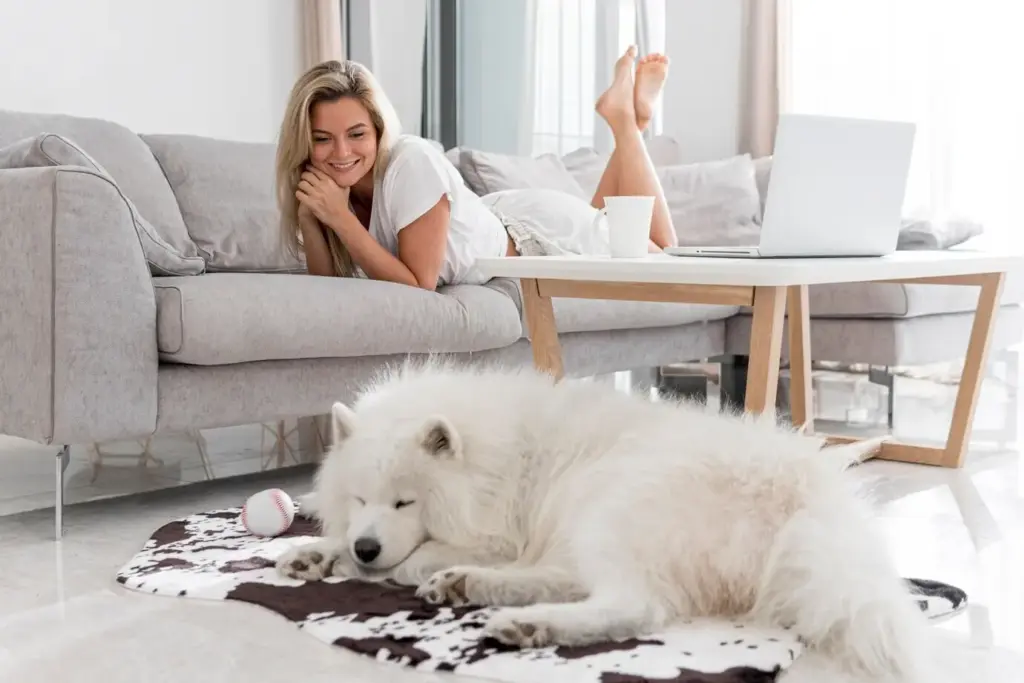
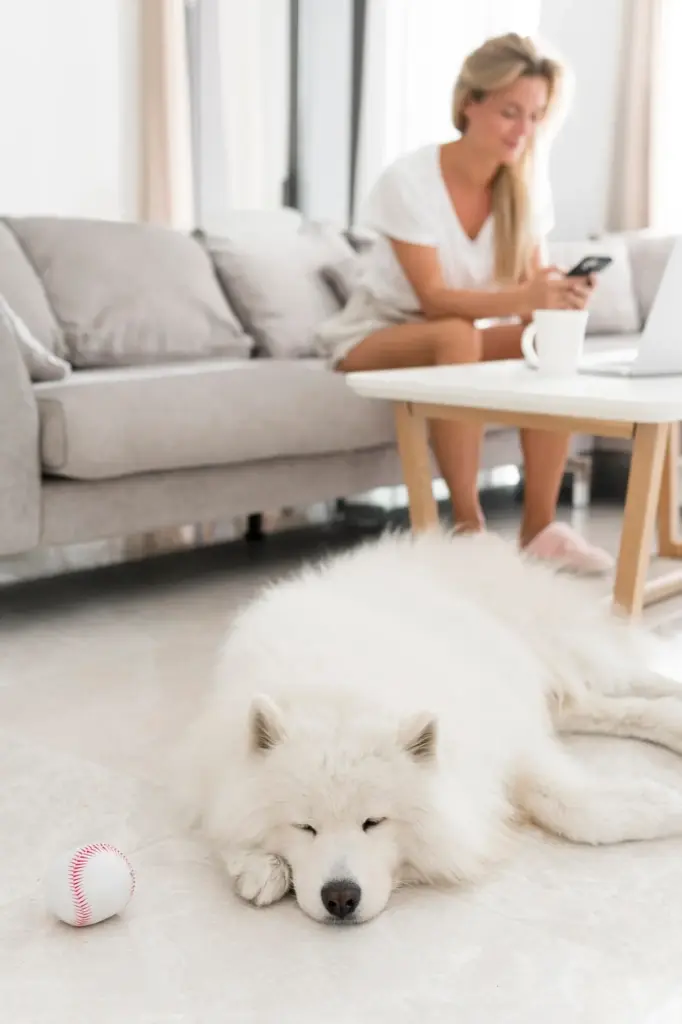
Today we dive into cleaning, odor control, and allergen management in pet homes, blending practical routines, science-backed tips, and gentle care that respects animals and people. Expect friendly guidance, honest product talk, and small daily habits that make living with fur, feathers, and whiskers wonderfully comfortable.

The Science Behind Freshness

Understanding what causes lingering smells and sneezes helps you act with confidence instead of guesswork. Pet odors often arise from bacterial growth, volatile compounds in urine and saliva, and trapped moisture, while allergens ride on tiny dander particles that float, stick to fabrics, and re-circulate with every step.

Daily Routines That Actually Work

Consistency beats occasional deep scrubs. Short, repeatable actions build a home that never drifts far from clean, keeping odors from taking root. With a simple schedule and a few well-chosen tools, you’ll feel ahead of messes, not constantly chasing after them.

The Ten-Minute Reset

Set a timer, scoop waste, wipe bowls, shake out mats, and spot-treat accidents before they set. Quick micro-tasks prevent buildup that later demands hours. This gentle rhythm respects your time, supports your pets’ comfort, and yields air that feels light, breathable, and reliably welcoming every single evening.

Smart Vacuuming Strategy

Use a sealed HEPA vacuum on low, slow passes, working edges, stairs, and upholstery where fur accumulates. Empty canisters outside, brush the roller to remove hair, and schedule midweek touch-ups. Thoughtful technique captures allergen-laden particles, reduces re-release, and complements purifier airflow for an easy, long-term reduction in irritants.

Tools and Products That Earn Their Place

Not every bottle or gadget delivers. Favor products that neutralize at the molecular level, respect sensitive pet systems, and simplify routines. With a small, reliable kit, you’ll address accidents immediately, maintain airflow, and keep surfaces ready for paws, noses, and curious, joyful snuggles.

Enzymatic Cleaners vs. Disinfectants

Enzymatic formulas digest odor-causing proteins in urine, saliva, and vomit, preventing re-soiling. Disinfectants handle germs but can set stains or create harsh fumes if misused. Spot-test, ventilate, and never mix bleach with ammonia sources. Choose neutralizers first, then sanitize thoughtfully, always prioritizing pet-safe labels and manufacturer guidance.

Air Purifiers and Filters That Matter

Select a true HEPA unit sized to your room, place it near favorite pet zones, and replace filters on schedule. Avoid ozone-producing devices. Combined with vacuuming, purifiers trap airborne dander before it settles, easing sniffles and keeping living spaces calmer, quieter, and much more pleasantly breathable.
Room-by-Room Strategies

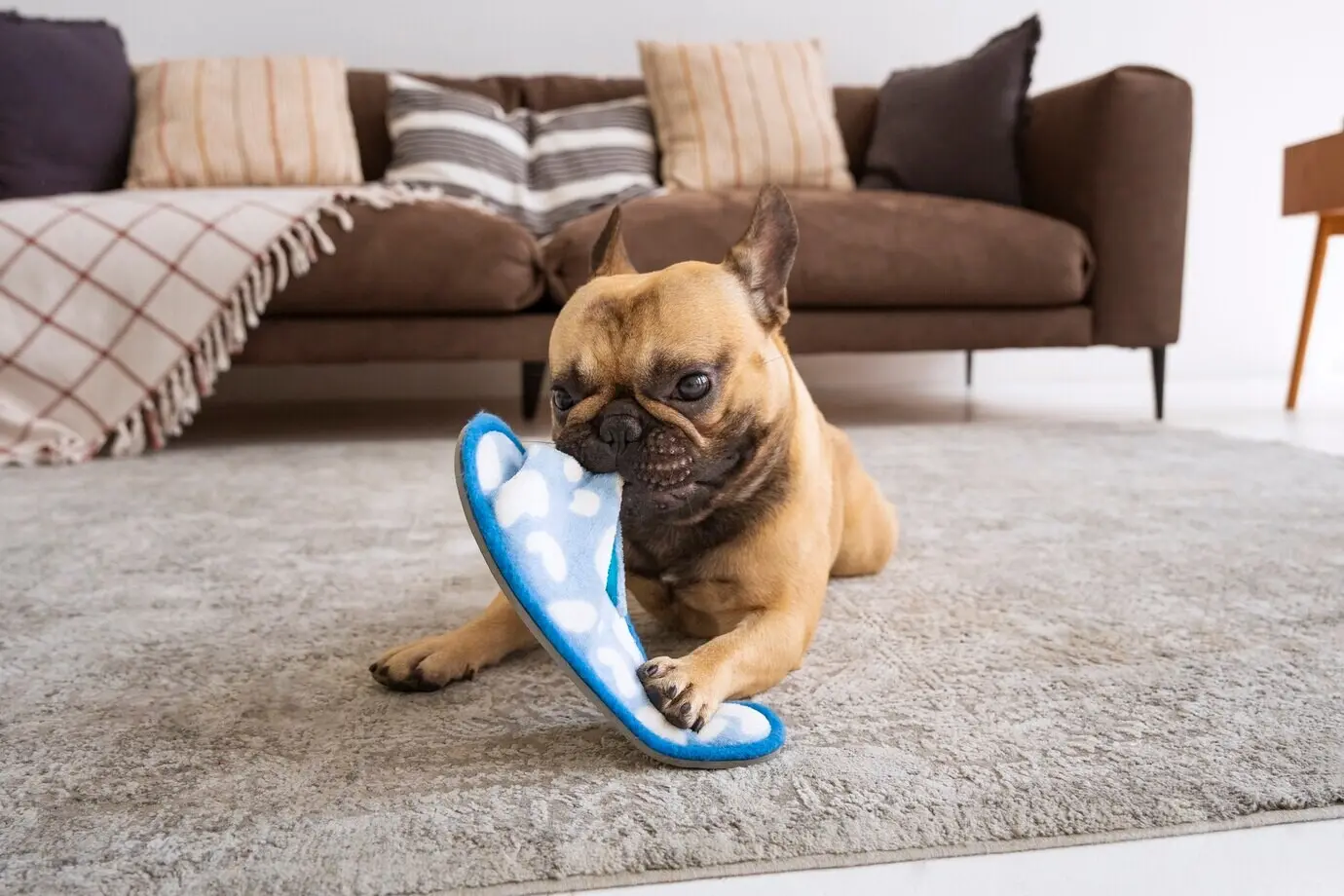
Different spaces collect different messes. Targeting tactics by surface and function protects your time and upgrades results. From soft rugs that swallow fur to wood floors that dislike excess moisture, thoughtful adjustments deliver cleaner corners, clearer air, and fewer surprises under sofas or behind doorstops.

Floors, Rugs, and Runners

Pre-treat accidents before steam or hot extraction, because heat can set proteins. For carpets, slow extraction after enzymatic care works wonders. On wood or laminate, use barely damp microfiber and quick drying. Doorway runners trap outdoor debris, reducing tracked-in allergens that circulate and settle in overlooked seams.

Upholstery, Cushions, and Pet Beds

Choose washable covers, lint-roll frequently, and vacuum cushions with upholstery tools. Before any steam pass, neutralize biological stains to avoid locking in odor. Rotate beds so one is always clean. Light, frequent attention keeps favorite napping spots welcoming without becoming mysterious sources of persistent, frustrating household funk.

Litter Areas and Small Habitats

Place litter boxes in ventilated corners, scoop daily, and swap to unscented, clumping varieties that control ammonia without heavy perfumes. Replace liners frequently, wash pans with mild soap, and refresh charcoal filters. For cages, spot-clean daily and deep-clean weekly to keep tiny homes genuinely fresh and healthy.

Grooming and Care That Reduce Mess at the Source

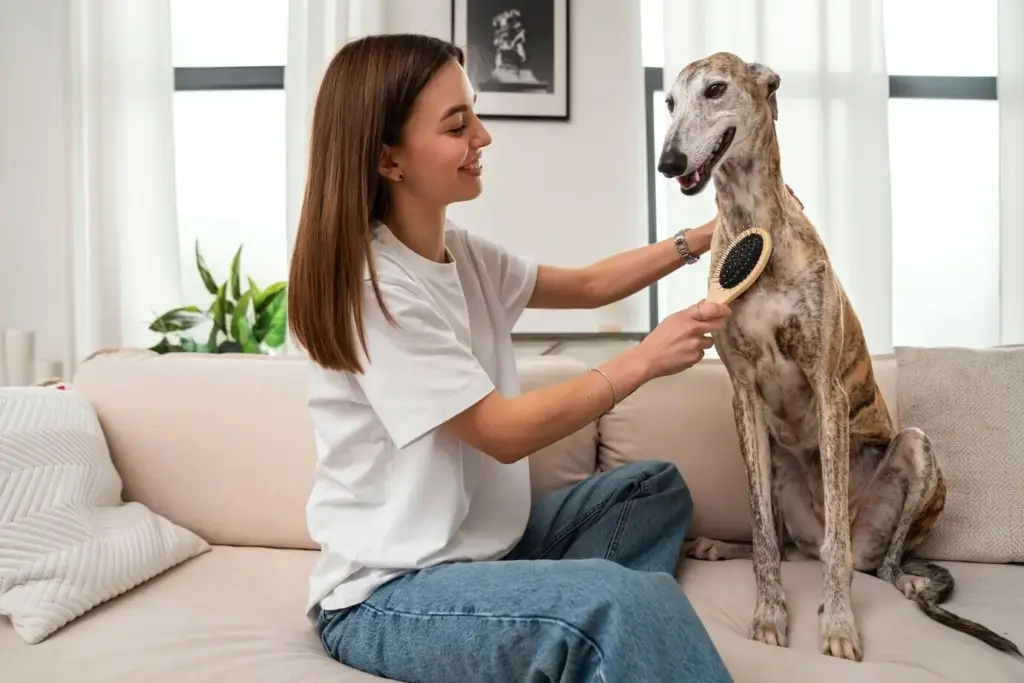
Deshedding tools remove undercoat safely when used with a light hand. Brush outdoors when possible, pair sessions with treats, and follow your pet’s tolerance cues. Short, positive routines reduce floating dander, making every subsequent cleaning task faster, kinder, and immensely more effective for sensitive noses and eyes.
Use breed-appropriate, hypoallergenic shampoos, rinse thoroughly, and dry completely to discourage musty smells. Cats often need minimal bathing; gentle wipes handle paws and fur between sessions. Cleaning paws after walks reduces outdoor pollen indoors, protecting air quality and preventing surprising streaks across rugs or crisp, freshly mopped floors.
Diet influences coat condition and digestion, which influences smell. Address dental care to reduce halitosis, and consult a veterinarian if odors change suddenly. Healthy skin sheds fewer irritants, and balanced nutrition supports comfortable, clean living spaces that feel fresher with far less daily intervention and worry.

Fabrics and Finishes That Behave

Choose tightly woven textiles, removable covers, and low-pile rugs that release fur easily. Leather or faux leather resists dander buildup and wipes clean fast. Skip heavy drapes that trap dust; use washable curtains or blinds. These tweaks trim cleaning time while quietly lowering ambient allergen loads everywhere.

Air Pathways and Whole-Home Filters

Upgrade HVAC filters to higher-efficiency ratings compatible with your system, seal gaps around returns, and keep vents dust-free. Pair whole-home filtration with room purifiers near pet hotspots. Strategic placements reduce recirculated particles, helping mornings begin with fewer sneezes and evenings end with more satisfying, relaxed breaths.

Zones, Routines, and Restful Bedrooms

Consider pet-free bedrooms for sensitive sleepers, building cozy alternatives so nobody feels excluded. Clear entryways with mats and paw towels reduce tracked-in debris. Consistent pathways, predictable routines, and comfortable resting spots create harmony that benefits cleaning, reduces allergen spread, and supports deeper, restorative, undisturbed rest nightly.

Design Choices for an Allergy-Savvy Home

Thoughtful materials and habits shape air quality and effort required. Durable, washable fabrics, smooth surfaces, and smart boundaries create comfort for both pets and people. These decisions turn constant firefighting into easy maintenance and help every breathing moment feel lighter, calmer, and pleasantly uneventful.

Real-Life Wins, Troubleshooting, and Community
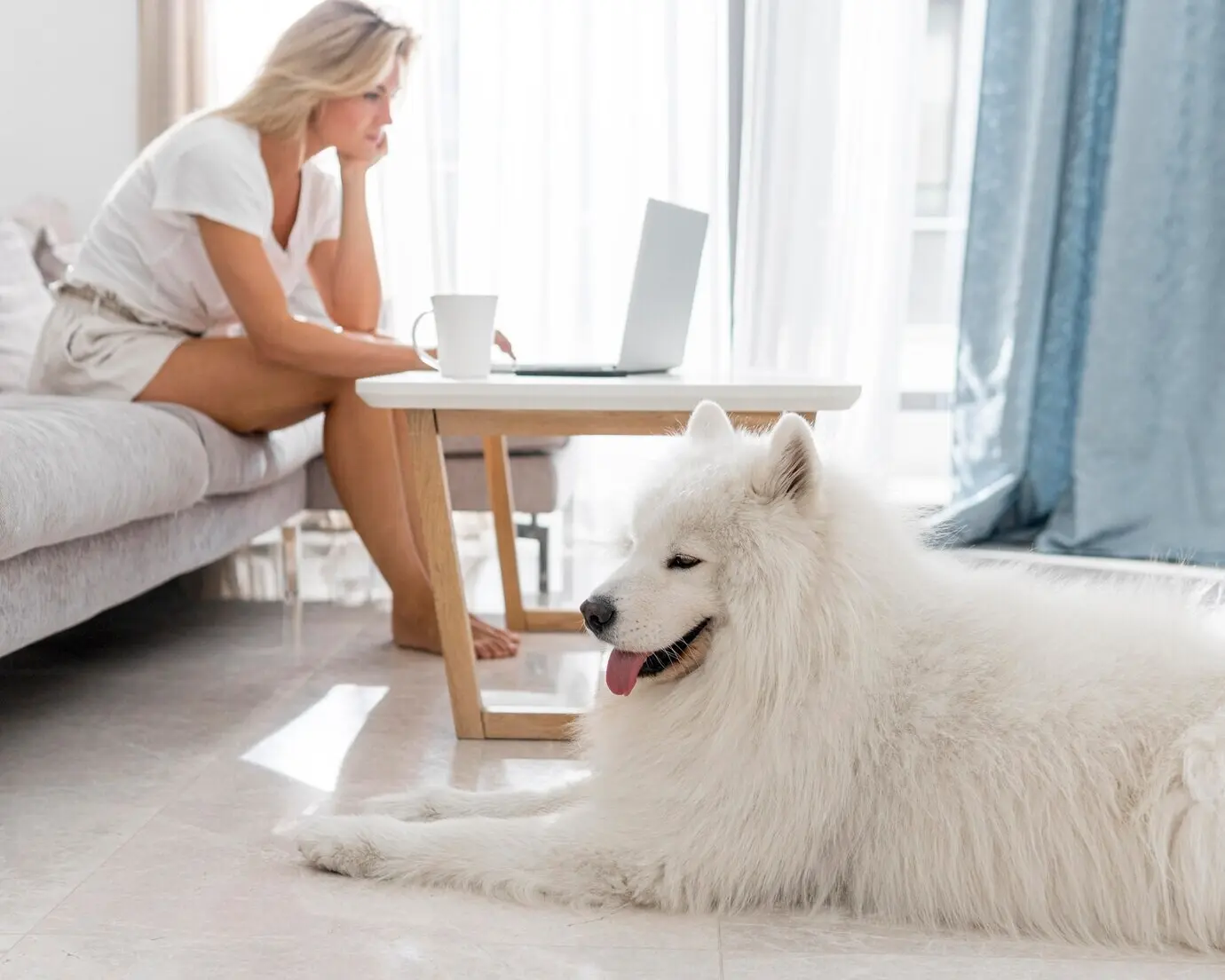
Progress becomes motivating when you see and feel results. A few stories, a quick checklist, and an invitation to connect help you keep momentum. Share your victories and questions so we can refine strategies and celebrate fresher rooms, happier pets, and calmer sinuses together.
Lexaritokutafizimo
Privacy Overview

This website uses cookies so that we can provide you with the best user experience possible. Cookie information is stored in your browser and performs functions such as recognising you when you return to our website and helping our team to understand which sections of the website you find most interesting and useful.